Prepare the input
Tyre granulate is prepared for a uniform, consistent feed.
THE FACTORY / A REPEATABLE INDUSTRIAL MODEL
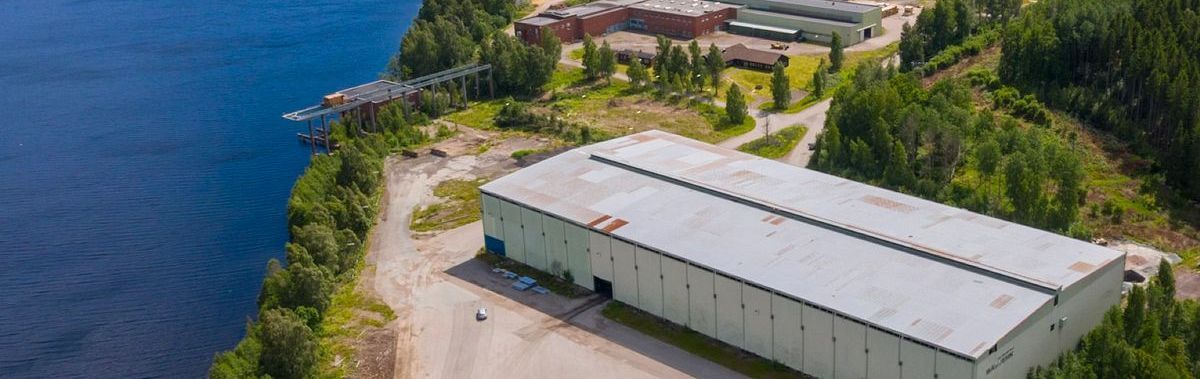
A modular facility designed for continuous production, predictable output and replication across locations. RETYRA Group is developing its first factory in Billingsfors, Sweden, and qualifying the next plant in Norway.
PLANNED DESIGN CAPACITY / PER FACTORY
Design figures from RETYRA’s factory presentation. These describe the planned factory model, rather than current production.
01 / THE MATERIAL JOURNEY
Tyre granulate is prepared for a uniform, consistent feed.
Continuous thermochemical conversion breaks down the material in an oxygen-free environment.
Oil, carbon and gas are separated into usable output streams.
Recovered process gas supplies energy within the plant’s internal loop.
02 / INDUSTRIAL OUTPUTS
The design targets material recovery of at least 85% at full operation, with recovered gas reused for energy.
A recovered material for rubber and plastics.
A circular feedstock for refining and chemical industries.
Recovered gas reused inside the plant to supply process energy.
03 / DESIGNED FOR RELIABILITY
04 / PROJECTED RESOURCE IMPACT
The factory model aims to reduce tyre incineration, substitute fossil-based raw materials and reuse gas for process energy.
RETYRA project estimate from the supplied factory presentation. The presentation does not include the calculation methodology or independent verification; realised impact will depend on operating conditions and the comparison baseline.
05 / FROM BUILD TO OPERATION
Permits, procurement and preparation.
Construction and installation of process equipment.
Testing, commissioning and production ramp-up.
Move towards full industrial production.
Indicative build cycle from the factory presentation, measured from start of build. Phases overlap. Actual schedules depend on the site, permits, procurement and commissioning.